
In less life-threatening circumstances, we recognize breathing as one of the quickest and simplest ways to quell excess stress, guide us through anxiety and stem the physical and emotional discomfort of a panic attack. Taking a deep breath helps millions of people every day, whether they are addressing the world at a press conference, quarrelling with a friend, birthing a baby or attending an important meeting.
In order to achieve this, respiration takes place over four key phases:
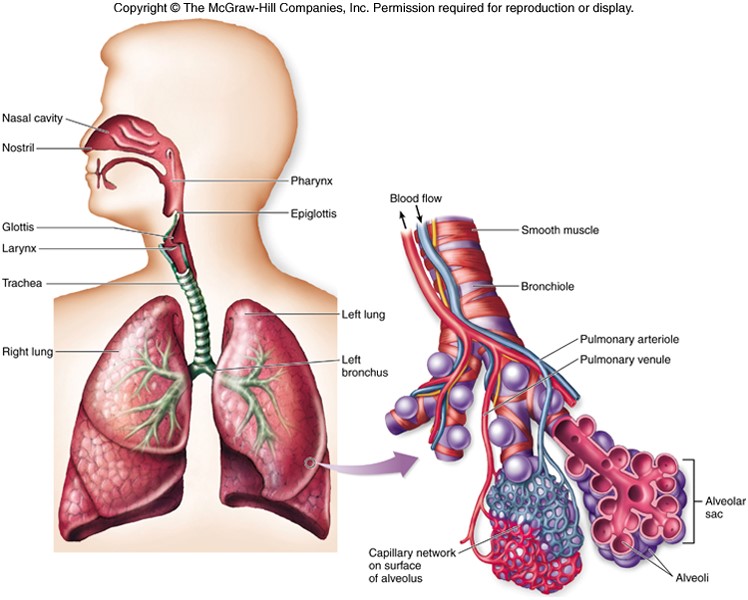
- Pulmonary ventilation. This is simply the inhalation and exhalation of air from the outside environment to inside our body. Air must reach the smallest structures of our lungs, tiny sac-like structures known as alveoli.Deep breathing facilitates the delivery of sufficient air and O2 to the alveoli, whilst also expelling sufficient amounts of CO2 upon exhalation.
- Diffusion of O2 and CO2 between the alveoli and blood, which are in direct contact with each other in the lungs.Deep breathing helps to deliver sufficient O2 to blood, where it combines with haemoglobin, a protein in our red blood cells. Deep breathing during exhalation helps rid the body of CO2 (a waste product of cellular respiration) via the alveoli.
- Transport of O2 and CO2 in blood and body fluids into and out of cells.Delivery of sufficient O2 to cells via deep breathing is essential for thousands of chemical reactions, most notably metabolism and the production of energy as ATP.
- Other facets of respiration, including the regulation of pH (acidity/alkalinity) in your body.The oxygenation of haemoglobin via deep breathing is one of the most vital buffering systems of the human body. Sufficient oxygenation of haemoglobin is required to prevent dangerous shifts in blood pH (acidity/alkalinity) levels.
- Nervous system. A good, deep breath will help to stimulate the parasympathetic division of your autonomic nervous system. This is the section of the nervous system predominant during rest activities. Deep breathing relaxes the nervous system. Considering that modern life is full of stress, deep breathing is probably the most portable stress reliever we have.
- Detoxification. While the liver receives most of the glory regarding detoxification (followed closely by the kidneys, bowel, lymphatics and skin), respiration is responsible for ridding the body of the gaseous waste products of human metabolism. CO2 is the major waste product here, but other minor gaseous wastes are also expelled on exhalation.
- Pain relief. Any woman has been through labour, or any person who has suffered the pain of injury and trauma will be able to relate to the power of breathing as a form of analgesia. This requires effort, as our natural instinct when in pain is to hold our breath. If initiated, deep breathing through pain is known to increase endorphin levels, which are natural pain killers.
- Lymphatic system. Our lymphatic system is a network of vessels that carry lymphatic fluid throughout the body. Unlike blood vessels, lymphatic vessels are not powered by the heart, thus requiring other 'pumps' to move lymphatic fluid around. One of these pumps is good respiration, facilitated by deep breathing. The lymphatics are involved in detoxification.
- Energy production. It stands to reason that the higher the oxygen content of your blood, the better your energy levels will be
- Digestive system. Deep, diaphragmatic breathing encourages blood flow to abdominal organs, including those of the digestive tract. This can help to facilitate peristalsis (muscular movements of the digestive tract). Additionally, a calm nervous system is required for efficient digestion. By supporting your nervous system with deep breathing, you also facilitate healthy digestion.
- Sit up straight and walk tall. Improved posture automatically helps fill your lungs with more air when you breathe.
- Allocate some time each day for deep breathing: at your desk, in the shower or in bed at the beginning and end of the day. 5 to 10 minutes is all it takes to help make this a habit.
- Feel your body move when you breathe... is anything moving? Deep breathing is rather active and uses multiple muscle groups. Focus on pushing your abdominal area in and out to enhance deep breathing, as opposed to the rise and fall of your shoulders (this indicated shallow breathing).
- Consider looking into the practice of Buteyko breathing.
References
Guyton, A. and Hall, J. (2000). Textbook of Medical Physiology (Tenth Edition). W. B. Saunders Company. Harcourt Health Sciences. Philadelphia, Pennsylvania.
Harvard Medical School. The family Health Guide (2015). Relaxation techniques: Breath control helps quell errant stress response. Harvard Health Publications. Available at: http://www.health.harvard.edu/mind-and-mood/relaxation-techniques-breath-control-helps-quell-errant-stress-response
Moseley, A. et al. (2005). The effect of gentle arm exercise and deep breathing on secondary arm lymphedema. Lymphology. 38: 136-145.
Westerdahl, E. et al. (2005). Deep-Breathing Exercises Reduce Atelectasis and Improve Pulmonary Function After Coronary Artery Bypass Surgery. Chest. 128 (5): 3482-3488.